

Teeth Cleaning
Teeth cleaning is a simple yet vital procedure that keeps your mouth healthy and prevents future dental problems. Regular professional cleanings, along with good home care, are key to maintaining a bright smile and optimal oral health.
Teeth cleaning, also known as dental prophylaxis, is a routine dental procedure that involves the thorough removal of plaque, tartar (calculus), and stains from the surfaces of the teeth.
Regular teeth cleaning is essential for maintaining good oral hygiene, preventing gum disease, and keeping your smile looking bright and healthy.
This procedure is typically performed by a dentist or a dental hygienist and is recommended every six months to prevent dental issues such as cavities, gum disease, and bad breath.
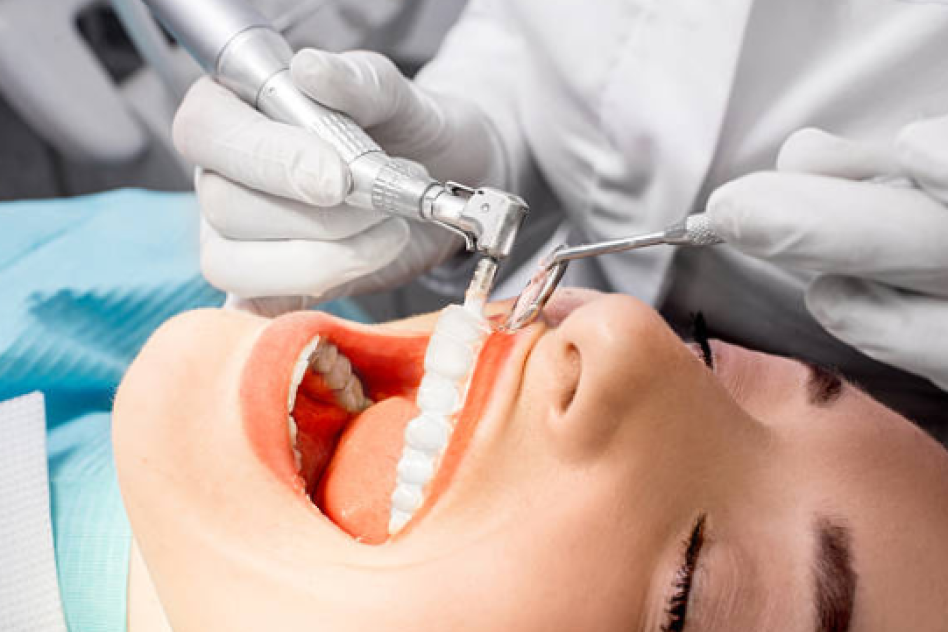
Process:
- Initial Examination: The teeth cleaning process begins with a preliminary examination of your mouth. The dentist or dental hygienist uses a small mirror to inspect your teeth and gums, looking for any signs of decay, gum inflammation, or other oral health concerns. If any serious issues are detected, they may suggest additional treatments or X-rays before proceeding with the cleaning.
- Removal of Plaque and Tartar: Using a scaler, the dental professional gently removes plaque and tartar from the surface of the teeth, especially around the gum line and between the teeth. Tartar, which is hardened plaque, can only be removed with professional tools. This step is essential for preventing gum disease and tooth decay.
- Deep Cleaning with Gritty Toothpaste: After the removal of plaque and tartar, the hygienist uses a high-powered electric brush and a gritty toothpaste to perform a deep cleaning. This process, known as polishing, helps to remove any remaining plaque and surface stains, leaving the teeth feeling smooth and clean.
- Flossing: The dental professional then thoroughly flosses between your teeth to remove any remaining plaque or debris that was loosened during the cleaning process. This step also helps identify any potential areas where the gums may bleed, which could be a sign of gum disease.
- Rinsing: You will be asked to rinse your mouth with water or a fluoride rinse to remove any remaining particles from the cleaning process.
- Fluoride Treatment (Optional): Depending on your oral health needs, the dentist or hygienist may apply a fluoride treatment. Fluoride helps to strengthen the enamel and protect the teeth against cavities. The fluoride is applied in the form of a gel, foam, or varnish and is left on the teeth for a few minutes.
- Final Check and Recommendations: After the cleaning, the dentist or hygienist will perform a final check to ensure that all plaque, tartar, and stains have been effectively removed. They will also provide personalized recommendations for maintaining good oral hygiene, such as proper brushing and flossing techniques, and may suggest any additional treatments if needed.