
Sedation (nitrous)
Nitrous oxide sedation is a popular choice for both adults and children who experience dental anxiety or discomfort. It provides a stress-free experience and allows for a range of dental procedures to be completed in a relaxed and comfortable manner.
Sedation dentistry using nitrous oxide, commonly known as "laughing gas," is a safe and effective method used to help patients relax during dental procedures.
Nitrous oxide is a colorless, odorless gas that is inhaled through a small mask placed over the nose.
It induces a state of calm and reduces anxiety, making dental visits more comfortable, especially for those with dental fears, sensitivity, or difficulty sitting still.
Nitrous oxide sedation is mild, allows the patient to remain conscious, and its effects wear off quickly after the procedure.
Process:
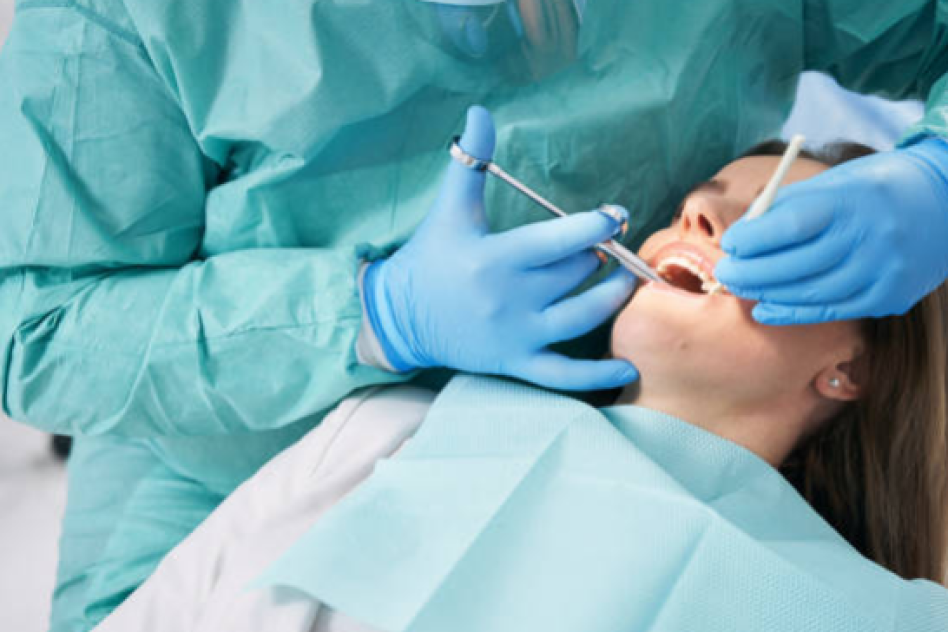
- Initial Assessment: Before administering nitrous oxide, the dentist will review the patient's medical history, allergies, and any medications they are currently taking to ensure that nitrous oxide is a safe option. The dentist will also discuss the patient's comfort levels, previous experiences with sedation, and answer any questions or concerns.
- Preparation: The patient is seated comfortably in the dental chair. The dentist or dental assistant will place a small, comfortable mask over the patient’s nose, which is connected to the nitrous oxide delivery system. The patient is instructed to breathe normally through their nose, allowing the gas to take effect.
- Administration: The dentist begins by administering a mix of oxygen and nitrous oxide, gradually adjusting the concentration to a level that provides the desired level of relaxation. The patient may feel a tingling sensation in their arms and legs, lightheadedness, or a sense of euphoria, but will remain fully conscious and responsive throughout the procedure.
- Monitoring: Throughout the dental procedure, the dentist closely monitors the patient's vital signs and comfort levels, adjusting the nitrous oxide concentration as needed to maintain a relaxed state. The patient remains aware and can communicate with the dentist or dental staff at any time.
- Completion of Procedure: Once the dental treatment is complete, the dentist will stop administering nitrous oxide and provide 100% oxygen through the mask for a few minutes. This helps to flush out any remaining nitrous oxide from the patient's system, and the effects wear off quickly. Unlike other forms of sedation, nitrous oxide does not require a recovery period; patients can usually drive themselves home and continue with their normal activities immediately.
- Aftercare: After the sedation wears off, the patient may feel completely normal, without any lingering effects. In rare cases, there may be mild side effects, such as nausea or a headache, which typically subside quickly. The dentist will provide any necessary aftercare instructions based on the dental procedure performed.