

Fillings
Fillings are a reliable and effective way to restore damaged teeth, protect them from further decay, and maintain oral health. With proper care, fillings can last for many years, helping you preserve a healthy, functional smile.
Fillings are a common dental treatment used to restore teeth that have been damaged by decay, fractures, or wear.
The purpose of a filling is to remove the decayed or damaged portion of the tooth and fill it with a durable material, such as composite resin, amalgam, gold, or porcelain, to restore the tooth's normal function and shape.
Fillings also help prevent further decay by sealing off spaces where bacteria can enter.
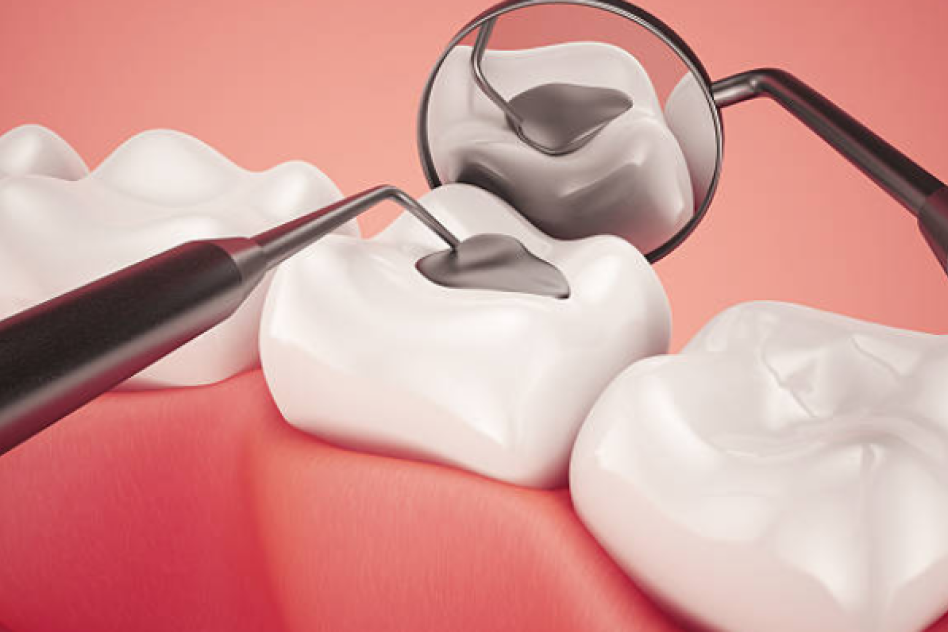
Process:
- Initial Examination: The process begins with a thorough examination by the dentist to determine the extent of the decay or damage. This may involve visual inspection, probing, and X-rays to assess the affected tooth and surrounding areas.
- Numbing the Area: To ensure patient comfort, the dentist administers a local anesthetic to numb the tooth, gums, and surrounding tissues. This helps to minimize any pain or discomfort during the procedure.
- Removal of Decay: Once the area is numb, the dentist uses specialized dental instruments, such as a drill or laser, to remove the decayed or damaged portions of the tooth. The goal is to eliminate all affected areas while preserving as much healthy tooth structure as possible.
- Cleaning the Cavity: After removing the decay, the dentist thoroughly cleans the cavity to remove any remaining debris, bacteria, or infected material. This step is crucial to prevent future decay and infection.
- Applying the Filling Material: The dentist selects a filling material that is best suited to the location and size of the cavity, as well as the patient's preferences. For composite resin fillings, which are tooth-colored, the material is applied in layers. Each layer is carefully placed, shaped, and cured using a special light to harden it.
- Shaping and Polishing: Once the filling material is fully hardened, the dentist shapes and smooths it to match the natural contours of the tooth. The dentist ensures that the filling fits comfortably and aligns properly with the patient's bite. The final step involves polishing the filling to make it smooth and resistant to staining.
- Post-Treatment Care: The dentist will provide specific instructions for post-treatment care, including advice on avoiding certain foods or habits that could damage the new filling. Patients may experience some sensitivity to temperature or pressure for a few days, which typically subsides on its own.
Fillings are a reliable and effective way to restore damaged teeth, protect them from further decay, and maintain oral health. With proper care, fillings can last for many years, helping you preserve a healthy, functional smile.