

Extractions
Tooth extractions are generally safe and routine procedures when performed by experienced dental professionals.
Tooth extraction is a dental procedure that involves the removal of a tooth from its socket in the jawbone.
Extractions are performed for various reasons, including severe tooth decay, advanced gum disease, dental trauma, impacted teeth (such as wisdom teeth), or to prepare the mouth for orthodontic treatment.
While tooth extraction is typically considered a last resort, it is sometimes necessary to protect oral health and prevent further complications.
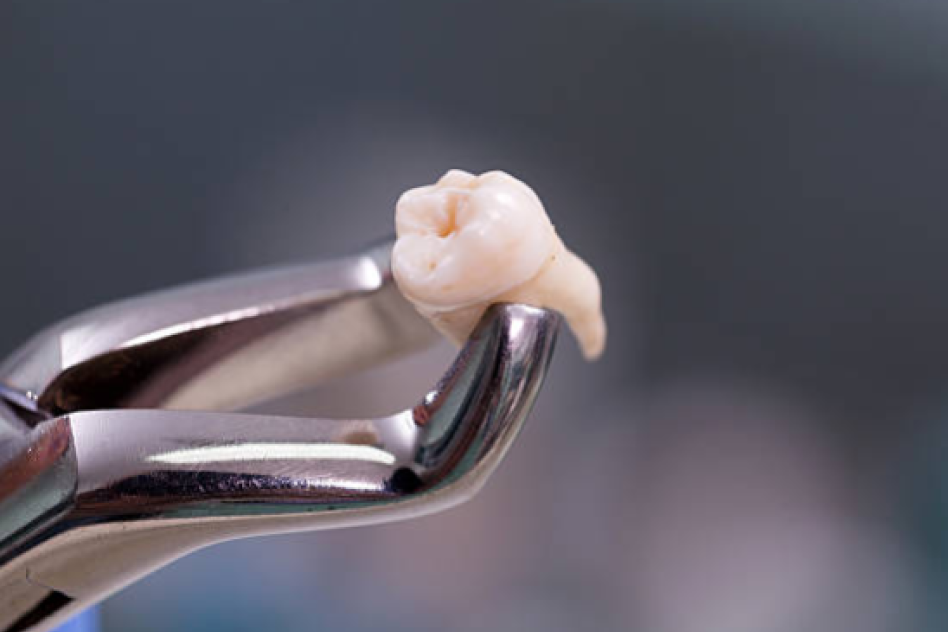
Process:
- Initial Examination: The dentist will conduct a thorough examination, which may include X-rays, to evaluate the position, condition, and structure of the tooth, as well as the surrounding bone and tissues. This helps determine whether an extraction is necessary and the complexity of the procedure.
- Discussion and Planning: The dentist will discuss the reasons for the extraction with you, explain the process, and address any questions or concerns. If the extraction is complex or involves wisdom teeth, the dentist may refer you to an oral surgeon.
- Local Anesthesia: Before the procedure, the dentist will numb the area around the tooth with a local anesthetic to ensure comfort during the extraction. For more complex cases or for patients with anxiety, sedation or general anesthesia may be administered.
- Extraction Process:
- Simple Extraction: For a tooth that is visible above the gum line, a simple extraction is performed. The dentist will use an instrument called an elevator to loosen the tooth and then remove it with forceps. This type of extraction is generally quick and involves minimal discomfort.
- Surgical Extraction: If the tooth is broken below the gum line, impacted, or not fully erupted (common with wisdom teeth), a surgical extraction may be necessary. The dentist or oral surgeon will make a small incision in the gum to access the tooth. In some cases, the tooth may need to be sectioned into smaller pieces for easier removal.
- Stitching and Gauze Placement: After the tooth is removed, the dentist may place stitches to close the extraction site if necessary. A piece of gauze is then placed over the site, and you will be asked to bite down gently to help stop bleeding and form a clot.
- Post-Procedure Care: The dentist will provide specific aftercare instructions to promote healing and minimize discomfort. This may include:
- Avoiding smoking, using straws, or vigorous rinsing for at least 24 hours to prevent dislodging the blood clot (which can lead to a painful condition known as dry socket).
- Applying an ice pack to the outside of the cheek to reduce swelling.
- Taking prescribed or over-the-counter pain relievers as needed.
- Eating soft foods and maintaining good oral hygiene by gently brushing around the extraction site.
- Follow-Up Appointment: The dentist may schedule a follow-up appointment to check the healing process, remove any stitches if needed, and ensure there are no signs of infection or complications.